















































































































































































































































































































































































































































































Got a 1099-DA?
Don’t overpay tax on incomplete data
If you used more than one exchange, moved crypto between platforms, or used wallets or DeFi, your 1099-DA is likely incomplete.
That’s normal. It just means you need to reconcile before you file.
Why the 1099-DA often
leads to overpaying tax
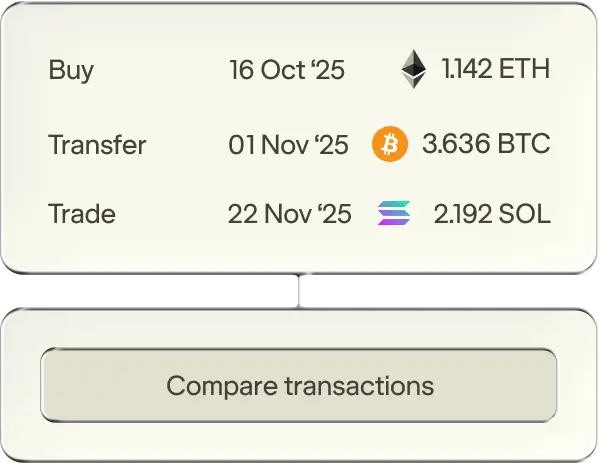
A 1099-DA shows what happened on one exchange only.

It does not
See activity on other exchanges
It does not
See wallets or most on-chain activity
It does not
Know your original cost basis once assets arrive
When cost basis is missing or fragmented, the default outcome is often higher reported gains.
That's how people end up overpaying.
The three real risks when filing off a 1099-DA
01
Mismatch risk
Filing numbers that don’t line up with what the IRS received from exchanges.


02
Overpayment risk
Missing cost basis defaults against you, often inflating taxable gains.
03
Assumed cost basis risk
Treating incoming crypto as a market-price purchase with no supporting evidence, just to force clean numbers.
Clean numbers aren’t the same as correct numbers.
Why “just matching the 1099” isn’t enough
Users are often forced to choose between:
Matching reported forms at all costs, or
Reporting what actually happened and hoping for the best
Both approaches introduce risk.
SUMM reconciles reported data where it's valid and substantiates differences where it's not.
The correct approach is to:
- Reconcile reported data where it’s accurate
- Explain and substantiate differences where it isn’t
- Surface uncertainty instead of hiding it
This allows users to:
- Minimise mismatch risk
- Avoid overpaying tax
- Avoid inventing cost basis to force clean numbers
That’s what reconciliation does.
How SUMM helps you avoid overpaying

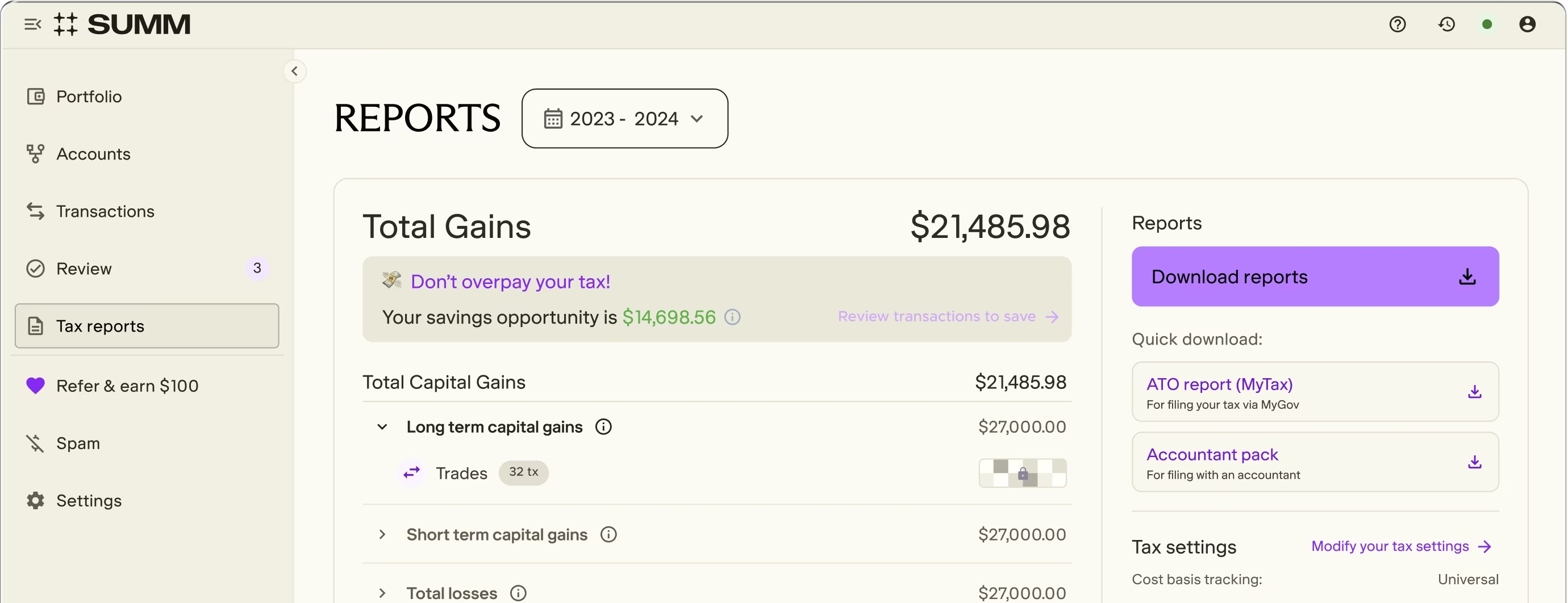
Reconcile everything
end-to-end
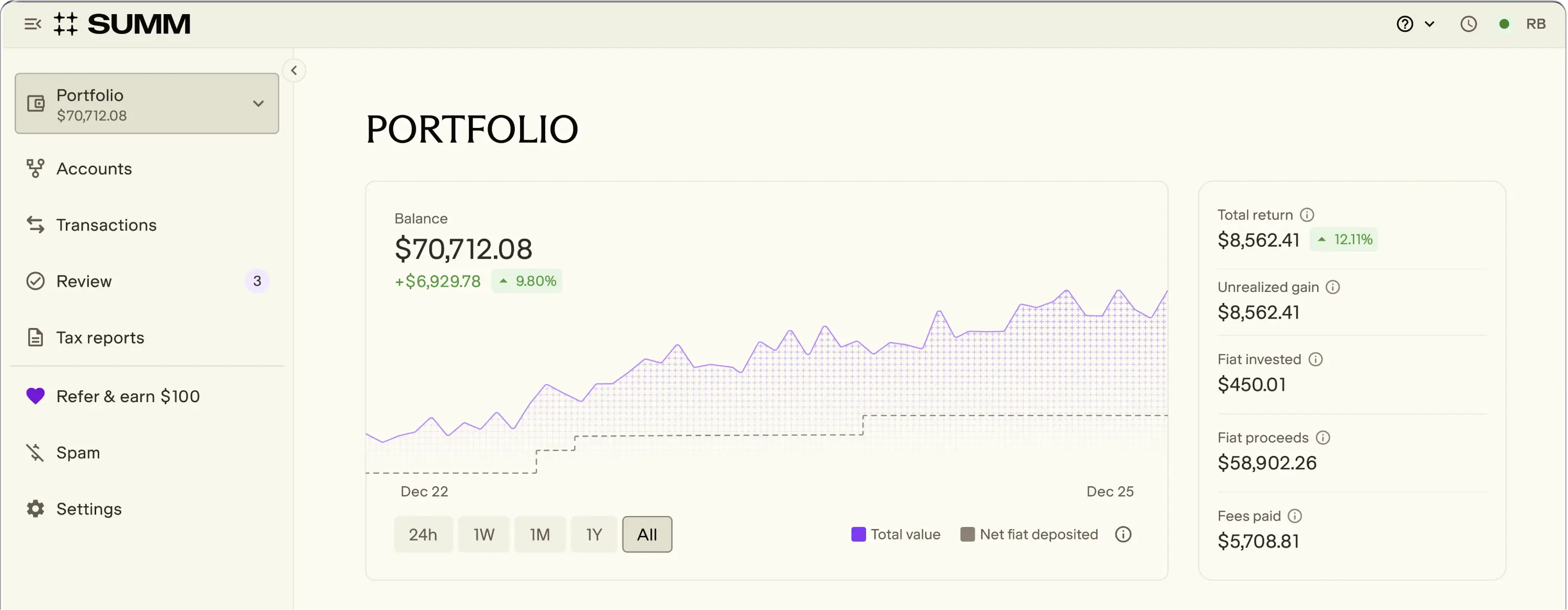
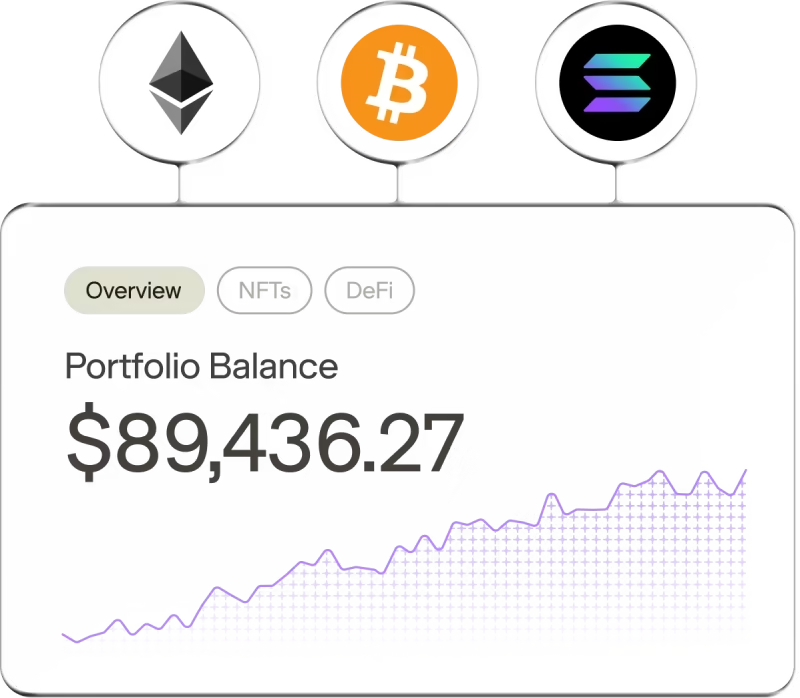
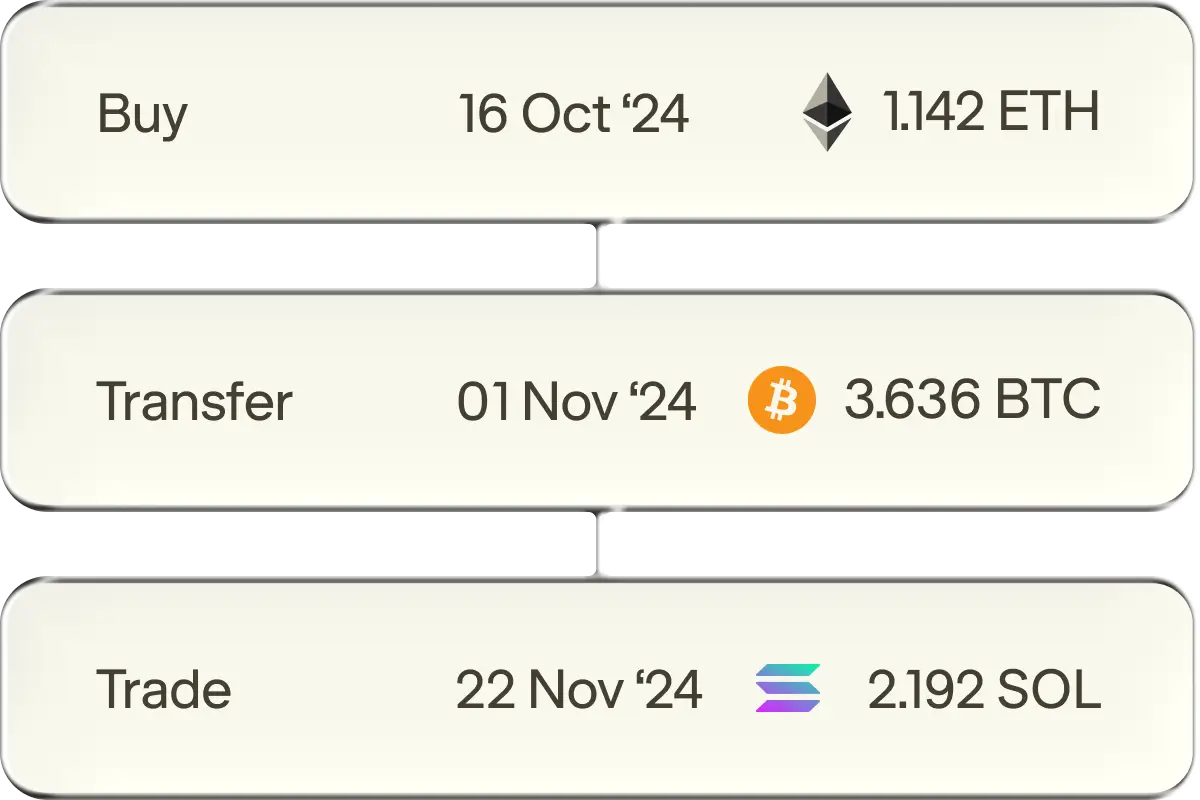
Every asset movement has a clear source and destination.

Find what's missing
Identify wallets or exchanges that aren't included yet.

Catch data issues early
Surface gaps, missing periods, and inconsistent exchange data.

Focus on what matters
Prioritise issues that actually move your tax outcome.

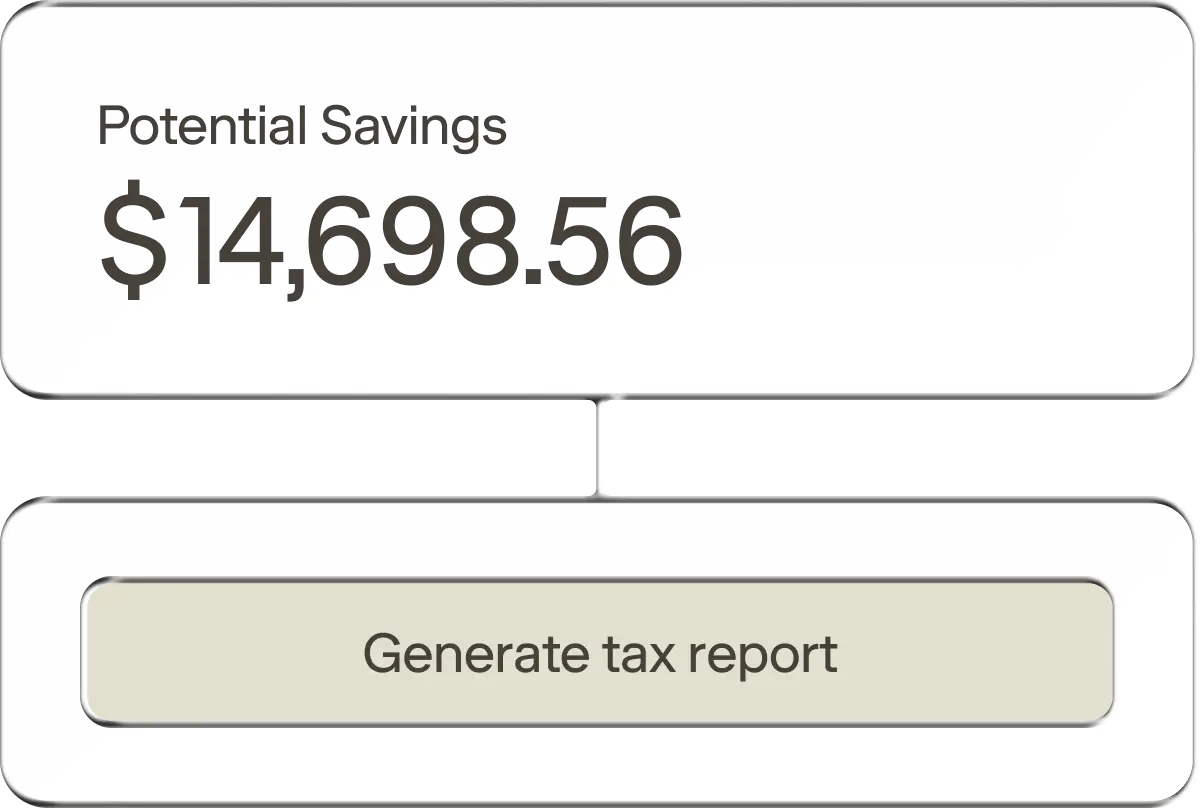
Generate explainable reports
Reports you can walk through if questions arise.
why this matters now
Exchanges now report directly.
On-chain data is public.
The burden of proof sits with the taxpayer.
Reconciliation isn't optional anymore if your data is incomplete.
From an independent survey of 1,000+ US crypto users:
~72% didn’t realise crypto outside centralised exchanges is taxable
60%+ believed crypto tax was unenforceable
That world no longer exists.
What to do next
01
Import your exchanges and wallets
02
Run a reconciliation
03
Fix high-impact issues first
04
Generate a report you can explain
If your numbers don't match your 1099-DA, don't panic.
It usually means:
Your crypto moved between platforms
The full picture hasn't been reconstructed yet
That's normal. Reconciliation is how you avoid overpaying.
Used by hundreds of thousands of
crypto users and crypto CPAs.