All Countries

Thank you! Your submission has been received!
Oops! Something went wrong while submitting the form.
USA flag
United Kingdom
No items found.
2023-03-31

Yield farming or DeFi interest

Earnings from yield farming or lending crypto in DeFi platforms are taxed as income at the time they are received. However, depositing into and withdrawing from a liquidity pool may be treated as a disposal, which is a capital gains event.

  • Example: Earning £500 in interest from a DeFi platform is subject to Income Tax.

Payments for goods or services

Receiving cryptocurrency as payment for goods or services is treated as income at its market value when received. There are instances where the “value” of the work will be taxed instead of the value of the crypto received. Professional advice should be taken if you are unsure.

  • Example: If you're paid 0.2 BTC for freelance work worth £6,000, this amount is subject to Income Tax.

Receiving airdrops

If you actively participate to receive an airdrop (e.g., completing tasks), the tokens are treated as income at their market value upon receipt.

  • Example: Earning £100 in tokens from an airdrop after completing tasks is subject to Income Tax.

Mining rewards

Mining rewards are taxed as income. Those undertaking mining activities to an extent to which they are operating a business will be subject to additional tax obligations.

  • Example: Earning 0.5 BTC through mining worth £10,000 at the time of receipt is subject to Income Tax.

Staking rewards

Cryptocurrency earned through staking is considered income at the market value at the time of receipt.

  • Example: If you earn 0.1 ETH through staking worth £200, this amount is subject to Income Tax.

Providing liquidity

Adding liquidity: If adding assets to a liquidity pool results in a change of ownership or creates a new token (e.g., LP tokens), it may be considered a taxable disposal, with CGT applying to any gains. The answer to this can usually be found within the terms and conditions of the protocol.

Removing liquidity: Removing assets from a liquidity pool may also be a disposal, potentially triggering CGT based on the gain or loss relative to the cost basis.

Liquidity pool rewards are generally treated as taxable income upon receipt, subject to Income Tax.

Selling airdropped tokens

Selling tokens received through an airdrop is a taxable disposal.

Tokens received without any action (eg, unsolicited distributions) are not taxed as income upon receipt. Instead, they are subject to Capital Gains Tax (CGT) when sold, with the cost basis typically being zero or the fair market value at the time of receipt if explicitly stated by HMRC.

Tokens earned through performing tasks (eg, completing activities) are taxed as income at the market value in GBP upon receipt. When sold, the gain or loss is subject to CGT, calculated using the market value at receipt as the cost basis.

  • Example: You perform a series of tasks to qualify for an airdrop. You then sell that airdropped token for £500 and it has a cost basis of £200. The £200 cost basis would have been subject to income tax in the tax year in which it was received and the £300 gain is subject to CGT in the tax year in which the token is sold.

Selling NFTs

Disposing of NFTs is treated similarly to crypto disposals, with gains subject to CGT.

  • Example: If you bought an NFT for £1,000 and sold it for £3,000, the £2,000 profit is taxable.

Gifting cryptocurrency (excluding spouse or civil partner)

Gifting crypto to someone triggers CGT based on the market value at the time of the gift. Gifting to registered charities or your spouse or civil partner does not trigger a taxable event. Here, we have often seen individuals gifting tokens to others but keeping them in their own wallet. If this is the case, it is very important to document the gift. Consider speaking to a tax advisor if you are uncertain of your position.

  • Example: Giving 1 ETH to a friend worth £2,000 incurs CGT on any gains above its cost basis.

Using crypto to purchase goods or services

Spending cryptocurrency on goods or services is considered a disposal.

  • Example: Paying 0.5 BTC for a laptop is a taxable event. If the BTC had a cost basis of £5,000 but was worth £10,000 at the time of the transaction, the £5,000 gain is subject to CGT.

Crypto-to-crypto trades (swaps)

Exchanging one cryptocurrency for another (e.g., BTC for ETH) is treated as a disposal for tax purposes.

  • Example: Swapping BTC worth £5,000 for ETH creates a taxable event, with any profit based on the cost basis of your Bitcoin. The value of the BTC when swapping will be the proceeds and will also become the cost of the ETH that has been obtained.

Selling crypto for GBP

Any profit made when you sell crypto for fiat currency (e.g., GBP) is a taxable event.

  • Example: If you bought BTC for £10,000 and sold it for £15,000, you have a taxable gain of £5,000.

How Investing vs Trading impacts tax

In most cases of buying and selling cryptocurrency as a retail investor, you are participating in investing rather than trading. The two are treated differently for tax purposes.

  • Investing is subject to capital gains tax or income tax, depending on the nature of the transaction.
  • Trading in this case refers to self-employment which is subject to income tax and National Insurance Contributions.

The key difference between investing and trading – along with the different tax treatments, is how losses generated in the crypto-activity can be used.

In their guidance, HMRC have explicitly stated that they would expect it to be exceedingly rare that any crypto-activity constituting buying & selling crypto would be classified as “trading”.

If you are uncertain, speak to a tax advisor as there are always exceptions, including but not limited to, developing tokens and large scale mining.

How is crypto tax calculated in the United States?

You can be liable for both capital gains and income tax depending on the type of cryptocurrency transaction, and your individual circumstances. For example, you might need to pay capital gains on profits from buying and selling cryptocurrency, or pay income tax on interest earned when holding crypto.

CoinLedger

CoinLedger is an accessible crypto tax platform with over 1,000 exchange and wallet integrations.

Best for: Users who want a simple, straightforward experience without complex DeFi needs.

Key differentiator: Offers an unlimited transaction plan for high-volume traders at a fixed price.

Pricing: $49 (100 transactions) to $499+ (10,000+ transactions).

Limitation: Does not generate Schedule D forms - you will need to complete this manually or with other software.

Notable: Strong NFT support with OpenSea integration.

CoinTracker

CoinTracker is a portfolio tracker and tax calculator supporting over 30,000 cryptocurrencies.

Best for: Users who prioritize portfolio tracking alongside tax reporting.

Key differentiator: Direct integrations with TurboTax and H&R Block Desktop.

Pricing: $59 (100 transactions) to $599 (10,000 transactions), with full-service options up to $3,499.

Limitation: Customer support is limited on lower-tier plans - priority support requires the $599 Ultra plan.

Notable: Good security with end-to-end encryption and SOC 2 compliance.

ZenLedger

ZenLedger offers both DIY crypto tax reports and professional full-service accounting.

Best for: Users who want tax loss harvesting included at every pricing tier.

Key differentiator: Tax loss harvesting is available on all plans, not just premium tiers.

Pricing: $49 (100 transactions) to $399 (15,000 transactions).

Limitation: Only offers 400+ exchange integrations - significantly fewer than competitors. Some users report customer support issues with long wait times.

Notable: TurboTax integration and 14-day refund policy.

blog
Mar 31
,
 
2023
 - 
10
min read

Product update - 13th May 2022

At Summ (formerly Crypto Tax Calculator), we are constantly working on improving our product so you can have the best experience at tax time. Check out our blog for the latest product updates.

Key takeaways
This tax guide is regularly updated: Last Update  

Hello there, crypto tax pals! We’ve decided to turn out product newsletters into blog posts, so you can access information on the latest updates from various sources. Without further ado, let’s dive into the latest Product Update.

Duplicate transaction

Embedded Image

You are now able to duplicate transactions in the review transactions page. For the transaction in question, simply click on the three dots, and select "Duplicate". This will duplicate the contents of the original transaction, for both individual, and grouped transactions (e.g. Trade and Swap).

Ability to select date format for Manual CSV imports
Embedded Image

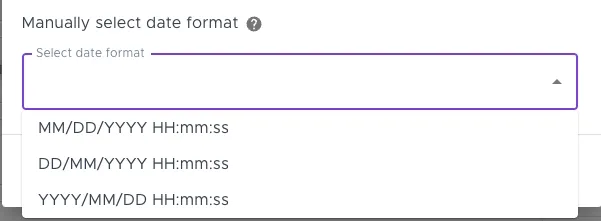
Whilst we previously only supported importing manual CSVs in our standard date format (YYYY-MM-DD), we now support importing CSVs with two new date formats: MM-DD-YYYY and DD-MM-YYYY. You can select these within the Advanced dropdown.

Upgraded accountant functionality
Embedded Image

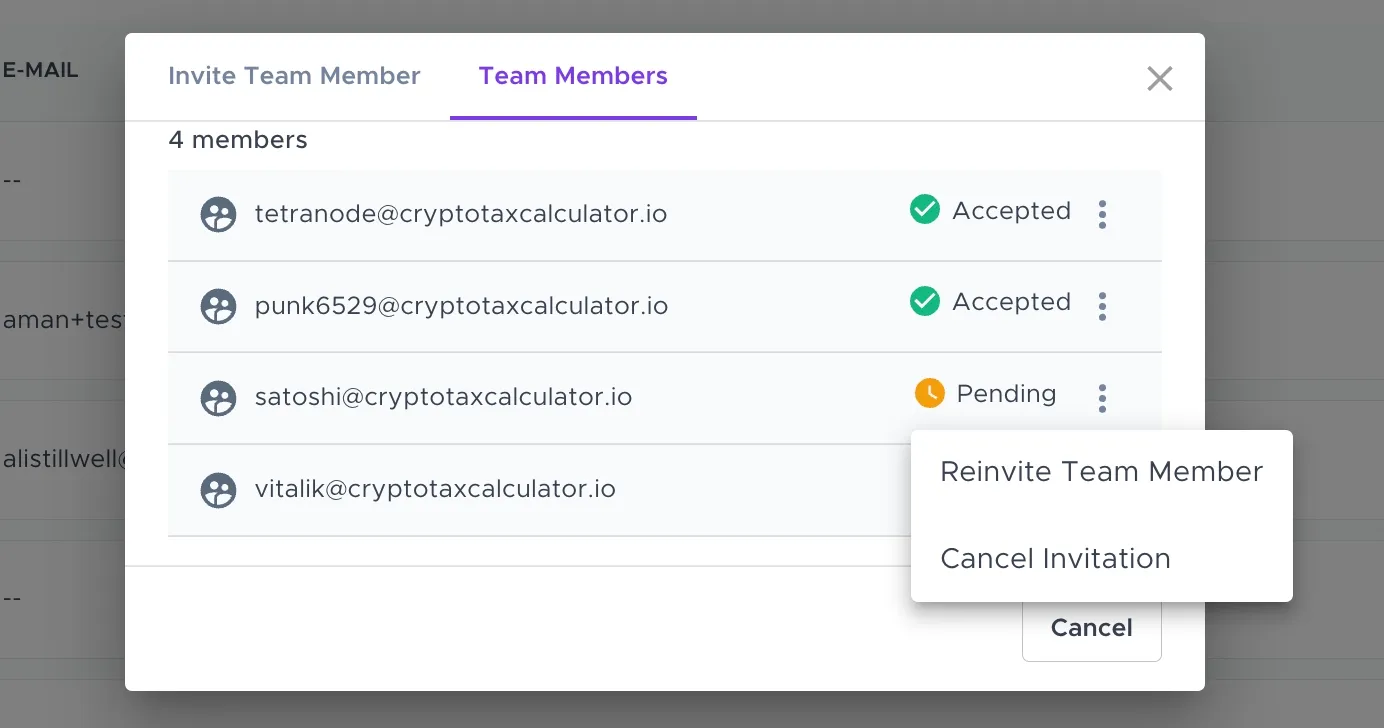
Users on our accountant plan now have the ability to re-invite collaborators and cancel pending invitations.

New report: Expense report

This is a new report outlining any miscellaneous expenses that you may have incurred when making crypto transactions. It includes any expense transactions, fee transactions, and gas fees or exchange fees when making a transfer between wallets or exchanges.

New landing pages

On our new accountant landing page, you can now book a demo with us, or submit an accountant enquiry form to get directly in touch with our partnerships team.

We also have 3 new feature pages to highlight 3 core aspects of our app: NFT SupportDeFi Support and Tax Reports.

New integration

We’re excited to announce that our integration with eToro is now live!

Embedded Image

Simply download your eToro transaction history CSV, and import it into our app to start reconciling your eToro transactions.

Minor changes

We have added support for the updated Kucoin CSV and Coinex CSV files.

The Import Data page has had a UI uplift, to make it as easy as possible to add in new wallets and exchanges into Summ (formerly Crypto Tax Calculator).

The bulk edit bar has also had a slight re-design to make it easier to implement new changes.

You can now filter by wallet nickname in the review transactions page.

The information provided on this website is general in nature and is not tax, accounting or legal advice. It has been prepared without taking into account your objectives, financial situation or needs. Before acting on this information, you should consider the appropriateness of the information having regard to your own objectives, financial situation and needs and seek professional advice. Summ (formerly Crypto Tax Calculator) disclaims all and any guarantees, undertakings and warranties, expressed or implied, and is not liable for any loss or damage whatsoever (including human or computer error, negligent or otherwise, or incidental or Consequential Loss or damage) arising out of, or in connection with, any use or reliance on the information or advice in this website. The user must accept sole responsibility associated with the use of the material on this site, irrespective of the purpose for which such use or results are applied. The information in this website is no substitute for specialist advice.

FAQ

No items found.
Table of contents
heading2
heading3

More resources

CryptoTax Calculator thumbnail
Blog
2
 
Apr
 
2026
The Crypto Neobank You Need Isn't What You Think

Most crypto neobanks are custodied fintech in disguise. Here's what a real Bitcoin onchain neobank looks like, and why the difference matters to your tax position.

Read More
CryptoTax Calculator thumbnail
Blog
12
 
Mar
 
2026
Product Update: Kalshi, MegaETH, CoinRabbit, Bittensor, and WhiteBIT support now live

Summ now supports Kalshi, MegaETH, CoinRabbit, and WhiteBIT. Import your prediction market trades, Layer 2 transactions, lending activity, and exchange data for complete tax reporting.

Read More
CryptoTax Calculator thumbnail
Blog
30
 
Jan
 
2026
Summ Collaborates with the Association of Taxation Technicians (ATT)

Summ is collaborating with the Association of Taxation Technicians (ATT) to support tax professionals working with crypto and digital asset activity across the UK.

Read More

Try Summ today

Import your transactions and generate a free report preview.

Blog

13 May 2022

X

 Min read

Product update - 13th May 2022

At Summ (formerly Crypto Tax Calculator), we are constantly working on improving our product so you can have the best experience at tax time. Check out our blog for the latest product updates.

Shane Brunette

This tax guide is regularly updated: Last Update 

....

March

31

2023

Hello there, crypto tax pals! We’ve decided to turn out product newsletters into blog posts, so you can access information on the latest updates from various sources. Without further ado, let’s dive into the latest Product Update.

Duplicate transaction

Embedded Image

You are now able to duplicate transactions in the review transactions page. For the transaction in question, simply click on the three dots, and select "Duplicate". This will duplicate the contents of the original transaction, for both individual, and grouped transactions (e.g. Trade and Swap).

Ability to select date format for Manual CSV imports

Embedded Image

Whilst we previously only supported importing manual CSVs in our standard date format (YYYY-MM-DD), we now support importing CSVs with two new date formats: MM-DD-YYYY and DD-MM-YYYY. You can select these within the Advanced dropdown.

Upgraded accountant functionality

Embedded Image

Users on our accountant plan now have the ability to re-invite collaborators and cancel pending invitations.

New report: Expense report

This is a new report outlining any miscellaneous expenses that you may have incurred when making crypto transactions. It includes any expense transactions, fee transactions, and gas fees or exchange fees when making a transfer between wallets or exchanges.

New landing pages

On our new accountant landing page, you can now book a demo with us, or submit an accountant enquiry form to get directly in touch with our partnerships team.

We also have 3 new feature pages to highlight 3 core aspects of our app: NFT SupportDeFi Support and Tax Reports.

New integration

We’re excited to announce that our integration with eToro is now live!

Embedded Image

Simply download your eToro transaction history CSV, and import it into our app to start reconciling your eToro transactions.

Minor changes

We have added support for the updated Kucoin CSV and Coinex CSV files.

The Import Data page has had a UI uplift, to make it as easy as possible to add in new wallets and exchanges into Summ (formerly Crypto Tax Calculator).

The bulk edit bar has also had a slight re-design to make it easier to implement new changes.

You can now filter by wallet nickname in the review transactions page.

Discover savings opportunities and lower your tax with Summ

Get started for free

No credit card required

Track all your swaps, trades and DeFi activity with Summ for easy tax reporting

Get started for free

No credit card required

Struggling with your tax?

Let Summ do the hard work for you.

Select country

Connect accounts

Get tax report

Get started for free

No credit card required

Automate your record keeping with Summ

Get started for free

No credit card required

Get started for free

No credit card required

Frequently asked questions

What is the best crypto tax software for UK investors?

Summ (formerly Crypto Tax Calculator) is the top choice for UK investors because it: Complies with HMRC rules, including Bed and Breakfast and Same Day. Handles complex transactions like staking, DeFi, and NFTs. Generates HMRC-ready reports, including SA100 and SA108 forms. Integrates with popular accounting tools like QuickBooks. With automated features and a user-friendly interface, Summ simplifies tax reporting, saving you time and reducing errors. Sign up today to experience the difference!

Does Summ support HMRC rules like Bed and Breakfast and Same Day?

Yes, Summ is designed to comply with HMRC-specific rules such as the Bed and Breakfast Rule and the Same Day Rule: Same Day Rule: Automatically groups transactions made within the same day and calculates the adjusted cost basis. Bed and Breakfast Rule: Identifies disposals and repurchases within 30 days, adjusting gains or losses accordingly. By automating these calculations, the software reduces errors and ensures your tax reports meet HMRC standards. Generate detailed tax summaries with just a few clicks and save time during tax season.

Does summ software track both income and capital gains taxes?

Yes, Summ (formerly Crypto Tax Calculator) tracks both Income Tax and Capital Gains Tax (CGT). It categorises transactions based on their tax type: Income Tax: Staking rewards, mining income, or payments received in crypto are calculated based on the market value at receipt. CGT: Disposals like selling or swapping crypto are calculated using HMRC’s average cost basis method. Summ simplifies tracking by separating income and capital gains events, ensuring compliance with HMRC rules. It also generates comprehensive reports that include both types of tax liabilities, ready for inclusion in your tax return.

What types of transactions can summ handle?

Summ supports a wide range of transactions, including: Trading: Buying and selling crypto on exchanges. Staking: Rewards earned from staking activities. Mining: Income from mining cryptocurrencies. Airdrops: Tokens received through promotional events. NFTs: Buying, selling, and holding non-fungible tokens. DeFi activities: Including lending, borrowing, and liquidity pools. The software identifies taxable events, applies HMRC rules, and calculates both income and capital gains for accurate tax reporting.

Can I use summ for previous tax years?

Yes, Summ supports retroactive calculations for prior tax years with a single subscription, helping you: Correct missed or inaccurate filings. Report gains and losses from earlier transactions. Carry forward unused capital losses to offset future gains. The software ensures compliance with historical HMRC rules and generates reports tailored to the tax regulations of the relevant year. Whether you're catching up or filing amended returns, Summ simplifies the process.

What crypto tax software integrates with accounting tools like QuickBooks?

Summ's business product integrates with popular accounting tools like QuickBooks and Xero allowing you to: Import transaction data directly into your accounting software. Track crypto-related income and expenses alongside traditional finances. Generate consolidated reports for tax filings and business accounting. These integrations streamline bookkeeping for both individual investors and businesses, reducing administrative workload while maintaining compliance with UK tax laws.

How does HMRC track cryptocurrency transactions?

HMRC uses advanced tools and methods to monitor crypto activity, including: Exchange data: HMRC requires exchanges operating in the UK to share user data. Blockchain analytics: Sophisticated tools trace transactions across public blockchains. International cooperation: Data-sharing agreements with foreign tax authorities enhance visibility into offshore holdings. Using Summ helps ensure all transactions are accurately reported, minimising the risk of discrepancies or penalties.

Automate your crypto bookkeeping

01

SOC 2 type 2 certified

As SOC 2 Type 2 compliant, we ensure robust data security, giving customers confidence in entrusting us.
02

Secure organization

We conduct regular and thorough Security & Awareness training for all employees.
03

Full data privacy

Our application only ever requires 'read-only' access to your data.