


































































































































































































































All Countries

Thank you! Your submission has been received!
Oops! Something went wrong while submitting the form.
Selecting Country
No items found.
2024-06-19

How Investing vs Trading impacts tax

In most cases of buying and selling cryptocurrency as a retail investor, you are participating in investing rather than trading. The two are treated differently for tax purposes.

  • Investing is subject to capital gains tax or income tax, depending on the nature of the transaction.
  • Trading in this case refers to self-employment which is subject to income tax and National Insurance Contributions.

The key difference between investing and trading – along with the different tax treatments, is how losses generated in the crypto-activity can be used.

In their guidance, HMRC have explicitly stated that they would expect it to be exceedingly rare that any crypto-activity constituting buying & selling crypto would be classified as “trading”.

If you are uncertain, speak to a tax advisor as there are always exceptions, including but not limited to, developing tokens and large scale mining.

How is crypto tax calculated in the United States?

You can be liable for both capital gains and income tax depending on the type of cryptocurrency transaction, and your individual circumstances. For example, you might need to pay capital gains on profits from buying and selling cryptocurrency, or pay income tax on interest earned when holding crypto.

CoinLedger

CoinLedger is an accessible crypto tax platform with over 1,000 exchange and wallet integrations.

Best for: Users who want a simple, straightforward experience without complex DeFi needs.

Key differentiator: Offers an unlimited transaction plan for high-volume traders at a fixed price.

Pricing: $49 (100 transactions) to $499+ (10,000+ transactions).

Limitation: Does not generate Schedule D forms - you will need to complete this manually or with other software.

Notable: Strong NFT support with OpenSea integration.

CoinTracker

CoinTracker is a portfolio tracker and tax calculator supporting over 30,000 cryptocurrencies.

Best for: Users who prioritize portfolio tracking alongside tax reporting.

Key differentiator: Direct integrations with TurboTax and H&R Block Desktop.

Pricing: $59 (100 transactions) to $599 (10,000 transactions), with full-service options up to $3,499.

Limitation: Customer support is limited on lower-tier plans - priority support requires the $599 Ultra plan.

Notable: Good security with end-to-end encryption and SOC 2 compliance.

ZenLedger

ZenLedger offers both DIY crypto tax reports and professional full-service accounting.

Best for: Users who want tax loss harvesting included at every pricing tier.

Key differentiator: Tax loss harvesting is available on all plans, not just premium tiers.

Pricing: $49 (100 transactions) to $399 (15,000 transactions).

Limitation: Only offers 400+ exchange integrations - significantly fewer than competitors. Some users report customer support issues with long wait times.

Notable: TurboTax integration and 14-day refund policy.

blog
Jun 19
,
 
2024
 - 
10
min read

4 Crypto Tax Tips for Australians 2024

As the Australian tax season approaches, make sure you’re prepared by following our 4 crypto tax tips.

Key takeaways
This tax guide is regularly updated: Last Update  

4 Crypto Tax Tips for Australians 2024

As the Australian tax season approaches, crypto investors are preparing to tackle their mess of transactions to stay on the good side of the tax man. With the Australian Taxation Office (ATO) increasing scrutiny of cryptocurrency transactions and extended surveillance powers, it is more important than ever to ensure your crypto affairs are in order.

However, dealing with crypto taxes can be a daunting task. Many crypto investors hold multiple wallets, transact between exchanges, and engage in on-chain activities like staking, airdrops, DeFi, and NFT trading. The complexity of each of these activities can make it challenging to understand your tax obligations.

But don't let the stress of tax season get the best of you. There are a few key things you can do to get your crypto taxes in order, save time and potentially even reduce your tax bill.

How does the ATO Tax Crypto?

The ATO treats cryptocurrency as property for tax purposes, similar to shares or real estate, which means that transactions involving crypto assets are subject to capital gains tax (CGT) and income tax, depending on the nature of the transaction.

To make things simple, anything that involves disposing of crypto, such as selling, swapping, paying for goods & services, gas fees or even depositing into a smart contract could all trigger a CGT event. Transactions that resemble income, such as staking rewards, mining, interest or getting paid in crypto will likely be subject to income tax.

A key point to remember is that the ATO doesn’t just consider what you do on centralised exchanges - they also know what you are up to on the blockchain itself. Generally speaking, crypto assets are transferred on public blockchains, which are permanent, public records of all your transactions for a given crypto asset; potentially the worst place to try and avoid tax. So if you’ve been dabbling in DeFi or trading NFTs, you will also need to report these activities to the ATO or face significant tax or criminal consequences.

4 Steps to Prepare for Tax Season

The Australian financial year is fast coming to a close, which means that taxpayers have a limited window of opportunity to review their crypto tax position and make any necessary adjustments before the financial year closes. Once June 30 has passed, there’s not much you can do about your situation, which can catch many people off guard or leave them with a crypto tax nightmare.

To avoid finding yourself in a situation where a surprise tax bill slaps you in the face, here are some tips to get ahead of the June 30 deadline.

Tip 1: Ensure all your wallets and accounts are synced

To accurately report your crypto transactions, it's crucial to have all your data in one place. Make sure to add all your wallets and exchange accounts to your crypto tax software. If you've previously imported accounts, take a moment to ensure they are fully synced and up-to-date. This will help you capture all your transactions, including any new ones since your last login.

Tip 2: Review your transactions for accuracy

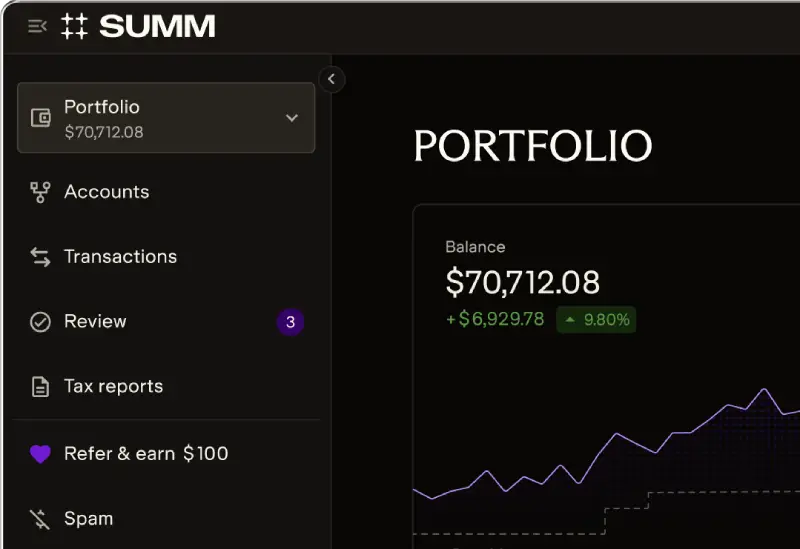
Once you have all your data synced, take the time to review your transactions thoroughly. Summ (Summ) provides simple review steps that help you navigate the review process and verify the accuracy of the data. If you notice any missing crypto wallets or accounts, import them to ensure your records are complete and accurate. This ensures all your assets have the correct cost base so you don’t overpay or underpay any tax.

Tip 3: Identify assets sitting at a loss and consider tax loss harvesting

With your transactions reviewed and verified, the next step is to identify any crypto assets that are currently sitting at a loss. By utilising the tax loss harvesting tool in Summ, you can quickly pinpoint assets that have decreased in value since their acquisition. Consider selling these assets before June 30 to offset any capital gains you may have incurred throughout the year. This is a strategy that may not suit everyone, so check with your accountant or tax adviser before deciding to take action.

You also want to make sure that, if you do harvest these losses, you do not reacquire the same asset within a short period. The ATO is on the lookout for taxpayers creating artificial losses with crypto asset transactions and has even threatened to cancel those losses where the sole purpose of the sale was to get a tax benefit. Taxpayers who get caught engaging in these “wash sales” end up far worse off.

Tip 4: Generate your tax reports and be ready to file

After completing the first three tips, you can now generate your tax reports and take a look at the numbers. Summ offers a range of different reports that give you a clear and easy-to-understand overview of your tax obligations. When the time comes, you can generate an accountant report pack to share with your accountant or file yourself using the ATO MyTax report.

Remember, being proactive is key to a successful tax season. By taking action now and following these four tips, you'll be setting yourself up for a smooth and stress-free experience. You may even be able to save on your tax bill. Don't wait until the last minute – start preparing today and enjoy the peace of mind that comes with knowing your crypto taxes are in order.

Summ Takes the Headache out of Crypto Taxes

Navigating crypto taxes in Australia can be a daunting task, especially when dealing with on-chain transactions involving staking, airdrops, DeFi and NFTs. Summ simplifies the complicated process of declaring your crypto asset activities with tax regulators. As one of the most integrated crypto tax software products on the market, Summ is designed to handle even the most complex on-chain transactions, ensuring you stay compliant with ATO regulations while minimising your tax bill.

If you're not already taking advantage of crypto tax software, you can try Summ for free.

The information provided on this website is general in nature and is not tax, accounting or legal advice. It has been prepared without taking into account your objectives, financial situation or needs. Before acting on this information, you should consider the appropriateness of the information having regard to your own objectives, financial situation and needs and seek professional advice. Summ (formerly Crypto Tax Calculator) disclaims all and any guarantees, undertakings and warranties, expressed or implied, and is not liable for any loss or damage whatsoever (including human or computer error, negligent or otherwise, or incidental or Consequential Loss or damage) arising out of, or in connection with, any use or reliance on the information or advice in this website. The user must accept sole responsibility associated with the use of the material on this site, irrespective of the purpose for which such use or results are applied. The information in this website is no substitute for specialist advice.

FAQ

No items found.
Table of contents
heading2
heading3

More resources

CryptoTax Calculator thumbnail
Blog
2
 
Apr
 
2026
The Crypto Neobank You Need Isn't What You Think

Most crypto neobanks are custodied fintech in disguise. Here's what a real Bitcoin onchain neobank looks like, and why the difference matters to your tax position.

Read More
CryptoTax Calculator thumbnail
Blog
12
 
Mar
 
2026
Product Update: Kalshi, MegaETH, CoinRabbit, Bittensor, and WhiteBIT support now live

Summ now supports Kalshi, MegaETH, CoinRabbit, and WhiteBIT. Import your prediction market trades, Layer 2 transactions, lending activity, and exchange data for complete tax reporting.

Read More
CryptoTax Calculator thumbnail
Blog
19
 
Jan
 
2026
Buy, Borrow, Die Strategy Explained: A Tax-Efficient Way to Use Capital

The Buy, Borrow, Die approach has long been used in traditional finance to preserve wealth, optimize taxes, and maintain exposure to appreciating assets. With the rise of crypto-backed lending, the same framework has become increasingly relevant for digital asset holders, making it accessible far beyond institutional circles.

Read More

Try Summ today

Import your transactions and generate a free report preview.

Blog

19 June 2024

X

 Min read

4 Crypto Tax Tips for Australians 2024

As the Australian tax season approaches, make sure you’re prepared by following our 4 crypto tax tips.

Harrison Dell

This tax guide is regularly updated: Last Update 

....

June

19

2024

4 Crypto Tax Tips for Australians 2024

As the Australian tax season approaches, crypto investors are preparing to tackle their mess of transactions to stay on the good side of the tax man. With the Australian Taxation Office (ATO) increasing scrutiny of cryptocurrency transactions and extended surveillance powers, it is more important than ever to ensure your crypto affairs are in order.

However, dealing with crypto taxes can be a daunting task. Many crypto investors hold multiple wallets, transact between exchanges, and engage in on-chain activities like staking, airdrops, DeFi, and NFT trading. The complexity of each of these activities can make it challenging to understand your tax obligations.

But don't let the stress of tax season get the best of you. There are a few key things you can do to get your crypto taxes in order, save time and potentially even reduce your tax bill.

How does the ATO Tax Crypto?

The ATO treats cryptocurrency as property for tax purposes, similar to shares or real estate, which means that transactions involving crypto assets are subject to capital gains tax (CGT) and income tax, depending on the nature of the transaction.

To make things simple, anything that involves disposing of crypto, such as selling, swapping, paying for goods & services, gas fees or even depositing into a smart contract could all trigger a CGT event. Transactions that resemble income, such as staking rewards, mining, interest or getting paid in crypto will likely be subject to income tax.

A key point to remember is that the ATO doesn’t just consider what you do on centralised exchanges - they also know what you are up to on the blockchain itself. Generally speaking, crypto assets are transferred on public blockchains, which are permanent, public records of all your transactions for a given crypto asset; potentially the worst place to try and avoid tax. So if you’ve been dabbling in DeFi or trading NFTs, you will also need to report these activities to the ATO or face significant tax or criminal consequences.

4 Steps to Prepare for Tax Season

The Australian financial year is fast coming to a close, which means that taxpayers have a limited window of opportunity to review their crypto tax position and make any necessary adjustments before the financial year closes. Once June 30 has passed, there’s not much you can do about your situation, which can catch many people off guard or leave them with a crypto tax nightmare.

To avoid finding yourself in a situation where a surprise tax bill slaps you in the face, here are some tips to get ahead of the June 30 deadline.

Tip 1: Ensure all your wallets and accounts are synced

To accurately report your crypto transactions, it's crucial to have all your data in one place. Make sure to add all your wallets and exchange accounts to your crypto tax software. If you've previously imported accounts, take a moment to ensure they are fully synced and up-to-date. This will help you capture all your transactions, including any new ones since your last login.

Tip 2: Review your transactions for accuracy

Once you have all your data synced, take the time to review your transactions thoroughly. Summ (Summ) provides simple review steps that help you navigate the review process and verify the accuracy of the data. If you notice any missing crypto wallets or accounts, import them to ensure your records are complete and accurate. This ensures all your assets have the correct cost base so you don’t overpay or underpay any tax.

Tip 3: Identify assets sitting at a loss and consider tax loss harvesting

With your transactions reviewed and verified, the next step is to identify any crypto assets that are currently sitting at a loss. By utilising the tax loss harvesting tool in Summ, you can quickly pinpoint assets that have decreased in value since their acquisition. Consider selling these assets before June 30 to offset any capital gains you may have incurred throughout the year. This is a strategy that may not suit everyone, so check with your accountant or tax adviser before deciding to take action.

You also want to make sure that, if you do harvest these losses, you do not reacquire the same asset within a short period. The ATO is on the lookout for taxpayers creating artificial losses with crypto asset transactions and has even threatened to cancel those losses where the sole purpose of the sale was to get a tax benefit. Taxpayers who get caught engaging in these “wash sales” end up far worse off.

Tip 4: Generate your tax reports and be ready to file

After completing the first three tips, you can now generate your tax reports and take a look at the numbers. Summ offers a range of different reports that give you a clear and easy-to-understand overview of your tax obligations. When the time comes, you can generate an accountant report pack to share with your accountant or file yourself using the ATO MyTax report.

Remember, being proactive is key to a successful tax season. By taking action now and following these four tips, you'll be setting yourself up for a smooth and stress-free experience. You may even be able to save on your tax bill. Don't wait until the last minute – start preparing today and enjoy the peace of mind that comes with knowing your crypto taxes are in order.

Summ Takes the Headache out of Crypto Taxes

Navigating crypto taxes in Australia can be a daunting task, especially when dealing with on-chain transactions involving staking, airdrops, DeFi and NFTs. Summ simplifies the complicated process of declaring your crypto asset activities with tax regulators. As one of the most integrated crypto tax software products on the market, Summ is designed to handle even the most complex on-chain transactions, ensuring you stay compliant with ATO regulations while minimising your tax bill.

If you're not already taking advantage of crypto tax software, you can try Summ for free.

Discover savings opportunities and lower your tax with Summ

Get started for free

No credit card required

Track all your swaps, trades and DeFi activity with Summ for easy tax reporting

Get started for free

No credit card required

Struggling with your tax?

Let Summ do the hard work for you.

Select country

Connect accounts

Get tax report

Get started for free

No credit card required

Automate your record keeping with Summ

Get started for free

No credit card required

Get started for free

No credit card required

Frequently asked questions

How is crypto tax calculated?

You can be liable for both capital gains and income tax depending on the type of cryptocurrency transaction, and your individual circumstances. For example, you might need to pay capital gains on profits from buying and selling cryptocurrency, or pay income tax on interest earned when holding crypto.

I lost money trading cryptocurrency. Do I still pay tax?

The way cryptocurrencies are taxed in most countries mean that investors might still need to pay tax, regardless of whether they made an overall profit or loss. Depending on your circumstances, taxes are usually realized at the time of the transaction, and not on the overall position at the end of the financial year.

How do I calculate tax on crypto-to-crypto transactions?

In most countries you are required to record the value of the cryptocurrency in your local currency at the time of the transaction. This can be extremely time consuming to do by hand, since most exchange records do not have a reference price point, and records between exchanges are not easily compatible.

How can Summ help with crypto taxes?

You just need to import your transaction history and Summ (formerly Crypto Tax Calculator) will help you categorize your transactions and calculate realized profit and income. You can then generate the appropriate reports to send to your accountant and keep detailed records handy for audit purposes.

Can't I just get my accountant to do this for me?

We always recommend you work with your accountant to review your records. If you would like your accountant to help reconcile transactions, you can invite them to the product and collaborate within the Summ web app. We also have a complete accountant suite aimed at accountants.

Does Summ handle non-exchange activity?

Summ (formerly Crypto Tax Calculator) handles all non-exchange activity, such as onchain transactions like Airdrops, Staking, Mining, ICOs, and other DeFi activity. No matter what activity you have done in crypto, we have you covered with our easy to use categorization feature, similar to Expensify.

Do I have to pay for historical tax reports?

Our subscription pricing is per year not tax year, so with an annual subscription you can calculate your crypto taxes as far back as 2013. The process is the same, just upload your transaction history from these years and we can handle the rest.

Can I use my own accountant?

Yes, Summ is designed to generate accountant-friendly tax reports. You simply import all your transaction history and export your report. This means you can get your books up to date yourself, allowing you to save significant time, and reduce the bill charged by your accountant. You can discuss tax scenarios with your accountant, and have them review the report.

How does payment work?

Summ has an annual subscription which covers all previous tax years. If you need to amend your tax return for previous years you will be covered under the one payment.

What if my exchange is not on the list of supported exchanges?

Summ covers thousands of exchanges, wallets, and blockchains, and DeFi apps, but if you do not see your exchange on the supported list we are more than happy to work with you to get it supported. Just reach out to [email protected] or via the in-app chat support feature and we will get you sorted.

Does Summ support NFT transactions?

We do! Summ integrates with many NFT marketplaces and offers categorization options for any NFT-related activity (minting, buying, selling, trading).

How does the free trial work?

Summ is free to use immediately upon signup, allowing you to import your transactions and take advantage of our smart suggestion and auto-categorization engine, portfolio tracking, DeFi and NFT support. For access to reports, the tax loss harvest tool or chat and priority support, you will need to upgrade to the appropriate paid plan.

Automate your crypto bookkeeping

01

SOC 2 type 2 certified

As SOC 2 Type 2 compliant, we ensure robust data security, giving customers confidence in entrusting us.
02

Secure organization

We conduct regular and thorough Security & Awareness training for all employees.
03

Full data privacy

Our application only ever requires 'read-only' access to your data.